
Heat-Soak-Tested Glass in Dubai: Facade and Safety Glazing Guide
Understand heat-soak-tested glass in Dubai, including when it is specified, what the process reduces, certification, facade replacement, cost, and quotation checks.
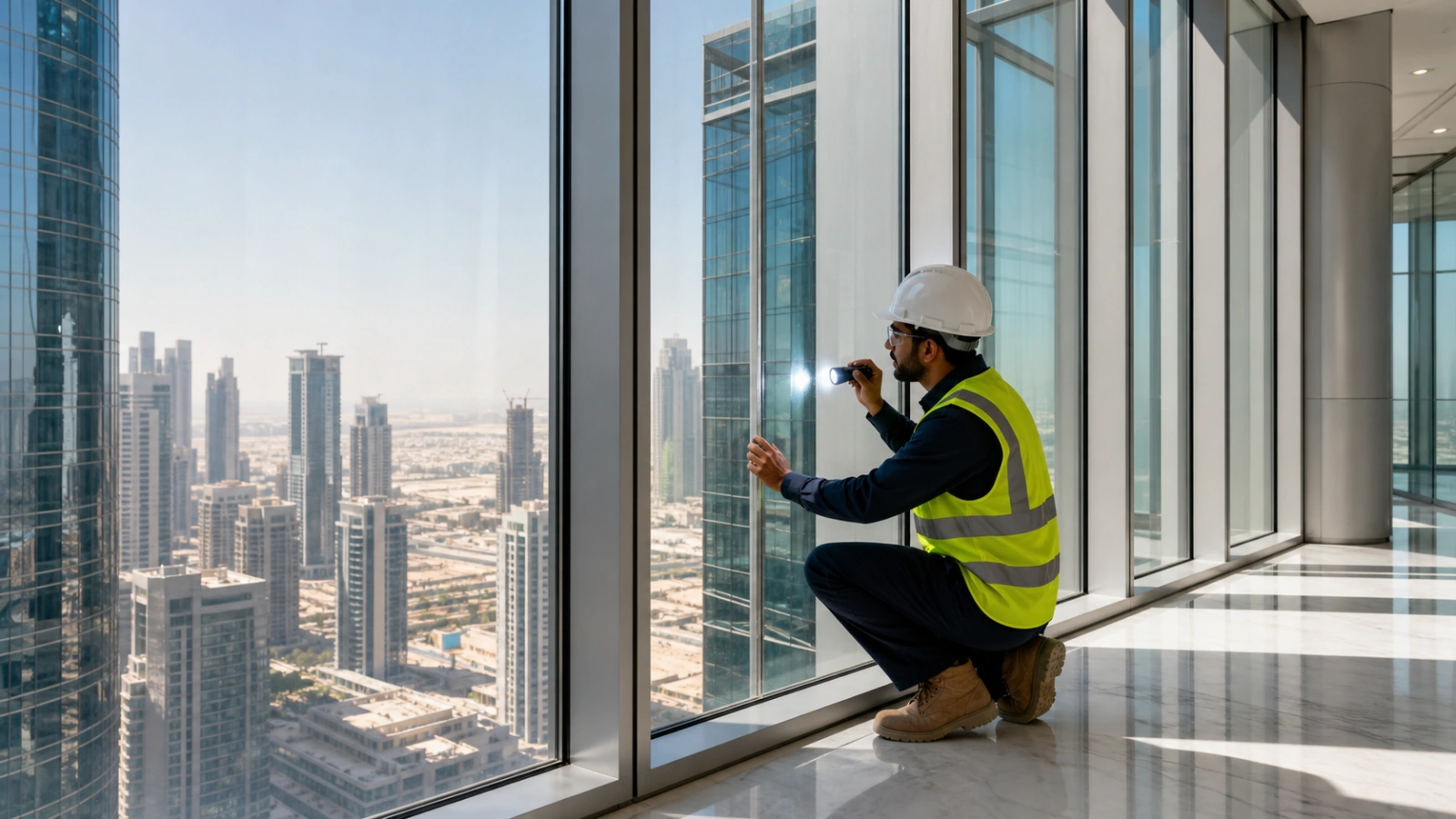
Quick answer
Heat-soak testing is a controlled factory process applied after glass has been fully toughened. It is intended to identify and break a high proportion of panes containing critical nickel sulphide inclusions before they reach the building. The process reduces the risk of later spontaneous breakage, but it does not make glass unbreakable, eliminate every inclusion, or replace correct design, edge quality, handling and installation.
In Dubai, heat-soak-tested toughened glass may be requested for facades, canopies, balustrades, entrance glazing and other locations where falling fragments, difficult replacement access or operational disruption would carry significant consequences. The project designer or facade consultant should define the glass build-up and testing standard. Glass World can coordinate facade glass replacement and specialist glazing across Dubai and the UAE.
What heat-soak testing does
During heat-soak testing, toughened panes are loaded into a calibrated chamber and taken through a specified heating, holding and cooling cycle. A pane with a susceptible nickel sulphide inclusion may fracture during the cycle and is rejected before delivery. Traceable production records should connect the tested panes, batch and process to the relevant order.
The useful distinction is risk reduction rather than a guarantee. Toughened glass can still break because of impact, damaged edges, frame contact, excessive loads, thermal stress, installation errors or inclusions that the process does not activate. A specification should therefore address the complete glazing system, not use the words ‘heat soaked’ as a substitute for engineering and quality control.
Why spontaneous toughened-glass breakage matters
Fully toughened glass is designed to fragment into many relatively small pieces when it fails. That breakage pattern is valuable for safety in suitable applications, but a facade pane can release fragments externally and leave an opening exposed to weather. A canopy, railing or high-level pane may also be hard to isolate and replace without access equipment or closing the area below.
Nickel sulphide inclusions are microscopic contaminants formed during glass manufacture. Their delayed phase change can create local stress inside a toughened pane and, in some cases, trigger breakage without an obvious impact. Not every unexplained break is caused by an inclusion; edge damage, hard contact, thermal gradients and building movement must also be investigated.
Where heat-soak-tested glass may be specified in Dubai
Typical discussions include high-rise curtain walls, structurally glazed facades, entrance screens, overhead glazing, canopies, atriums, shopfronts, balustrades and large panes beside busy public areas. The decision depends on glass type, height, consequence of breakage, retention strategy, accessibility, occupancy and the consultant’s risk assessment—not simply whether a pane is external.
Some assemblies use laminated heat-treated glass so an interlayer helps retain fragments after breakage. Others use insulated units combining coatings, frits or multiple panes. Heat-soak testing applies to the toughened component; it does not define the complete assembly. Review the project-specific difference between toughened and laminated glass before selecting a build-up.
Standards, marking and certification
The specification should name the applicable heat-soak process and acceptance requirements, commonly by reference to the relevant EN standard or the project’s approved equivalent. It should also define toughening, dimensional tolerances, roller-wave and bow limits, edgework, visual quality, coatings, ceramic frit, laminated or insulated construction and any project testing. Requirements must be agreed before manufacture because completed toughened glass cannot be cut or reworked safely on site.
Ask for a certificate or declaration that identifies the processor, order, glass description, quantity, chamber cycle or batch, date and standard used. Permanent glass marking may be required, but its content and position should be approved so it remains traceable without becoming visually intrusive. A generic supplier brochure or an invoice line reading ‘HST’ is not the same as batch-specific evidence.
Replacement glass must match more than the test
For a broken facade pane, record the overall dimensions, thickness, heat treatment, tint, coating product and surface, frit pattern, laminate interlayer, insulated-unit cavity, spacer, edge deletion, holes, notches and edge finish. The replacement must also match visual characteristics such as colour, reflectance and distortion closely enough for the agreed viewing conditions.
Confirm whether neighbouring panes were originally heat-soak tested and locate facade schedules, stamps, warranties, previous orders and retained spares. When records are incomplete, the consultant may need to develop a replacement specification from surveys, samples and performance requirements. The Dubai facade glass replacement guide explains the wider access and budgeting scope.
Design and installation still control performance
Correct setting blocks, edge clearances, gaskets, pressure components, sealants and drainage paths prevent damaging glass-to-metal contact and unintended restraint. Inspect frames for distortion, loose fasteners, displaced packers, debris, corrosion and blocked weep paths before installing a replacement. Protect every processed edge during transport, lifting and glazing because small edge damage can become a failure origin.
The design should also account for wind pressure, panel dimensions, support conditions, building movement, thermal gradients and post-breakage behaviour. Coated or tinted panes exposed to partial shading may require a thermal-stress review. Where a retained barrier or overhead panel is necessary after breakage, laminated construction and its supports need their own engineering assessment.
Plan safe access and occupied-building work
Facade replacement may need a building-maintenance unit, mobile crane, scaffold, mast climber or engineered rope-access method. Plan exclusion zones, rated lifting equipment, temporary weather closure, wind limits, panel transport, internal protection and emergency arrangements. Glass World provides rope-access solutions where the building and approved method allow them.
Coordinate landlord and consultant approvals, permits, loading-bay bookings, public protection, tenant notifications, security, noisy-work hours and sealant curing. Dubai heat and wind can restrict lifting and installation windows. A realistic programme includes technical approval, glass production, heat-soak testing, documentation, delivery, access setup, replacement, cleaning and inspection.
Cost factors and quotation checklist
Heat-soak-tested glass cost in Dubai depends on pane dimensions, thickness, quantity, processor and test cycle, heat treatment, coatings, frit, lamination, insulated-unit construction, edge processing, sampling, certification, delivery and breakage allowance. For replacement work, access, removal, temporary protection, seals, frame repairs, testing and restricted hours may cost more than the heat-soak process itself.
Compare quotations against one written schedule. Each offer should state the full glass build-up, heat-soak standard, processor, certification and marking, dimensions and tolerances, coating orientation, visual acceptance, access method, removal and disposal, frame and seal work, programme, warranty and exclusions. Confirm how any pane that breaks during processing will affect quantity and lead time.
Request a heat-soak-tested glass quotation
Send the Dubai site location, application, marked-up photographs, approximate dimensions, glass stamps, original schedule or drawings, floor and elevation, access information, breakage history and the consultant’s specification. Note whether the enquiry concerns a new facade package, one failed pane, a planned replacement batch, a canopy, railing or entrance assembly.
Glass World can survey existing glazing, coordinate fabrication and replacement, and work with the project’s responsible designer and building stakeholders. For broader prevention planning, review the facade glass maintenance guide. Final glass selection, testing and acceptance should follow the approved design and applicable project requirements.
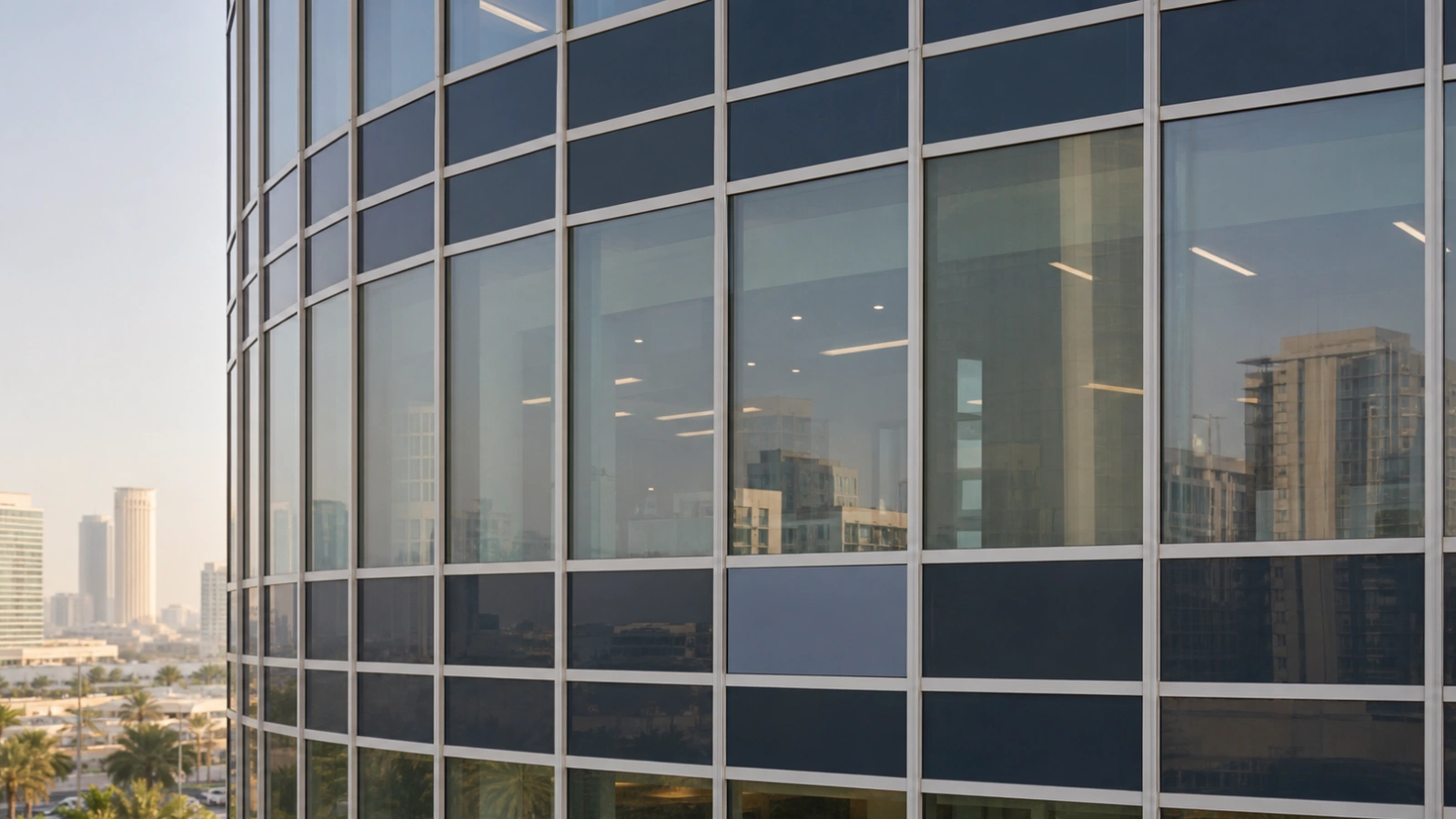
Spandrel Glass Replacement in Dubai: Colour Matching and Facade Repair Guide
Plan spandrel glass replacement in Dubai with practical guidance on colour matching, heat treatment, coatings, shadow boxes, access, testing, and facade repair quotations.
Read article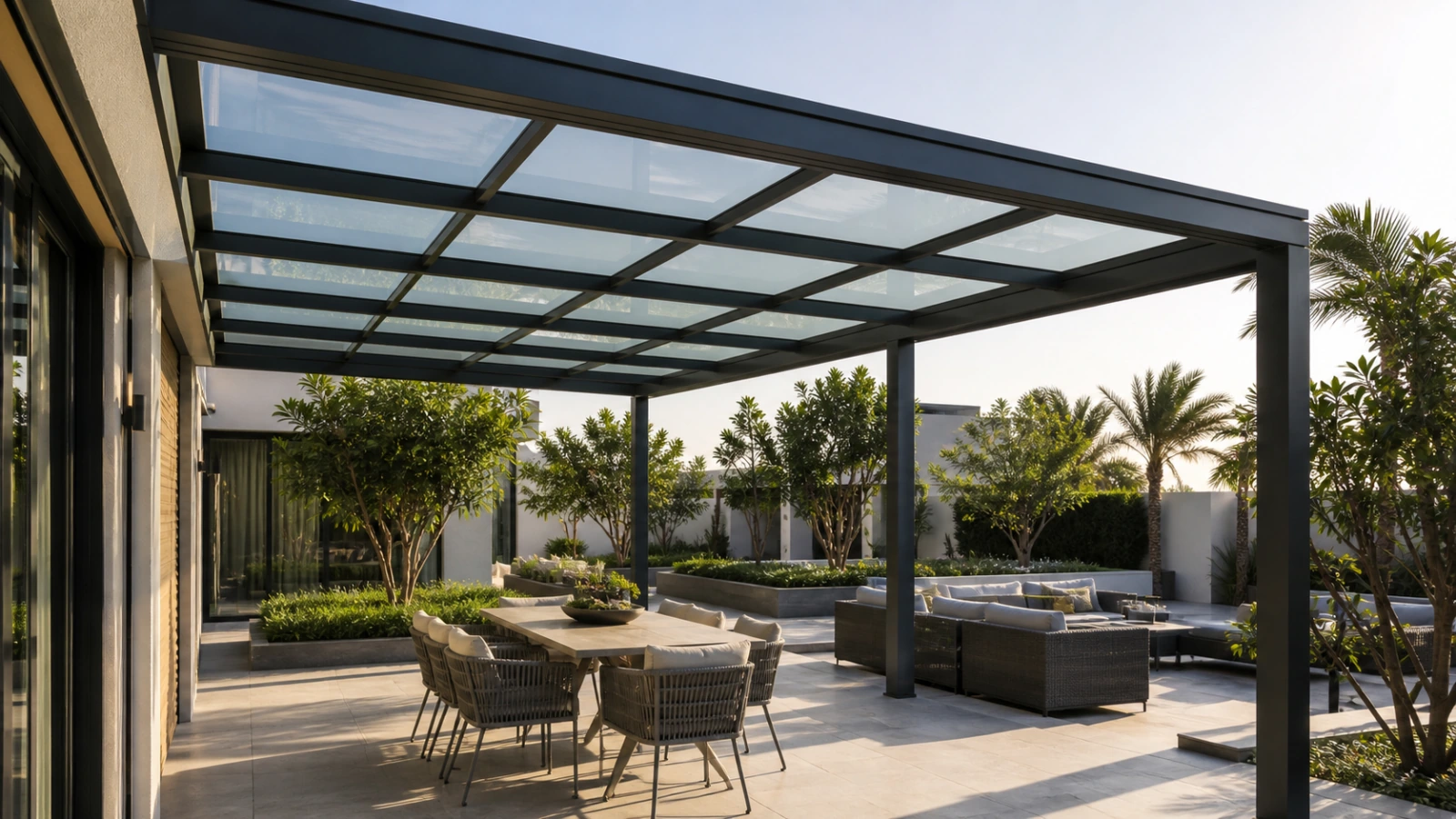
Glass Pergola Roof Leak Repair in Dubai: Diagnosis and Resealing Guide
Diagnose a leaking glass pergola roof in Dubai with practical guidance on joints, gutters, flashings, glass damage, safe access, resealing, and replacement scope.
Read article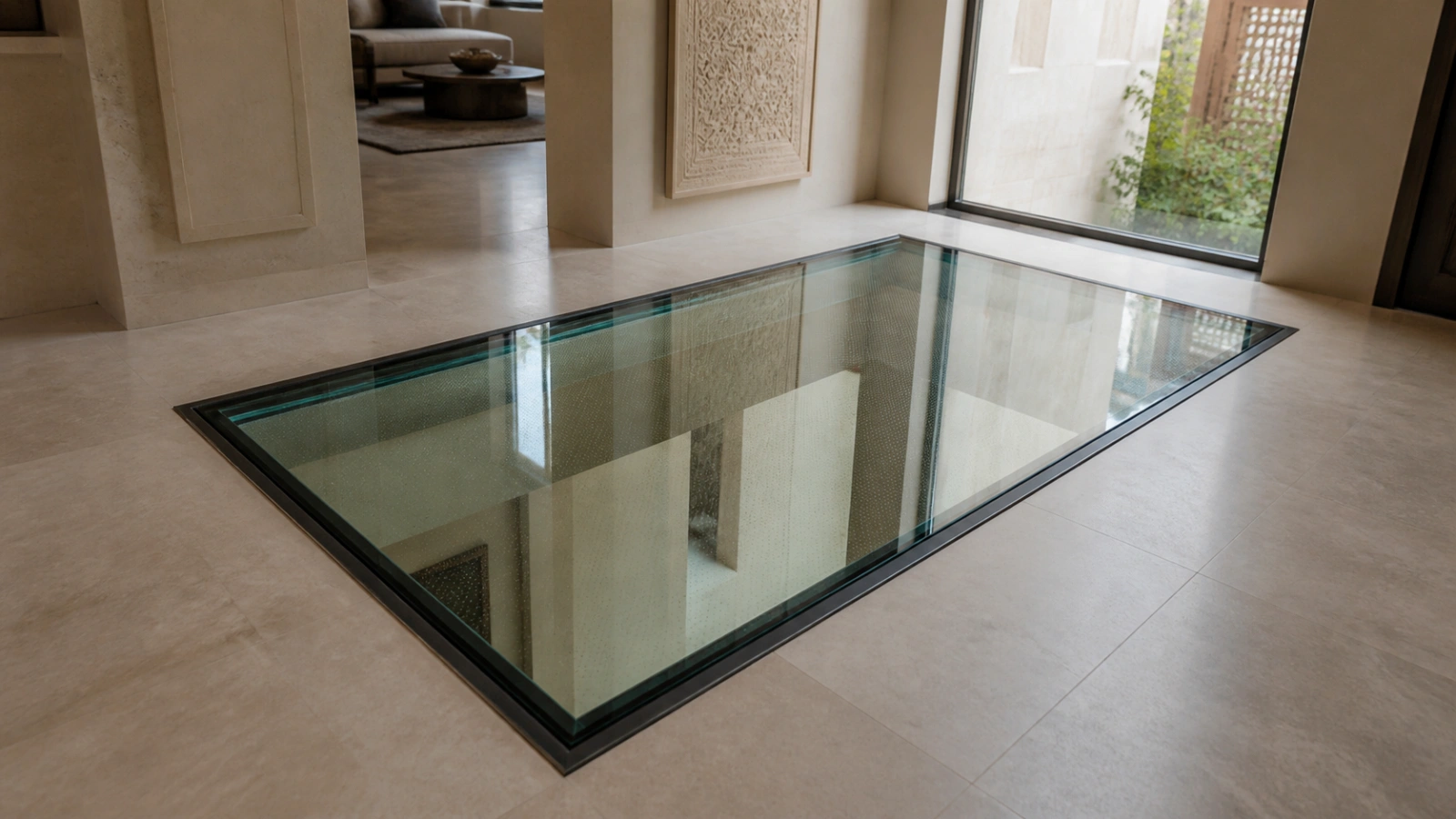
Walk-On Glass Floors in Dubai: Installation and Cost Planning Guide
Plan a walk-on glass floor in Dubai with guidance on structural design, laminated glass, slip resistance, support frames, access, installation, maintenance, and quote scope.
Read article