
Spandrel Glass Replacement in Dubai: Colour Matching and Facade Repair Guide
Plan spandrel glass replacement in Dubai with practical guidance on colour matching, heat treatment, coatings, shadow boxes, access, testing, and facade repair quotations.
Quick answer
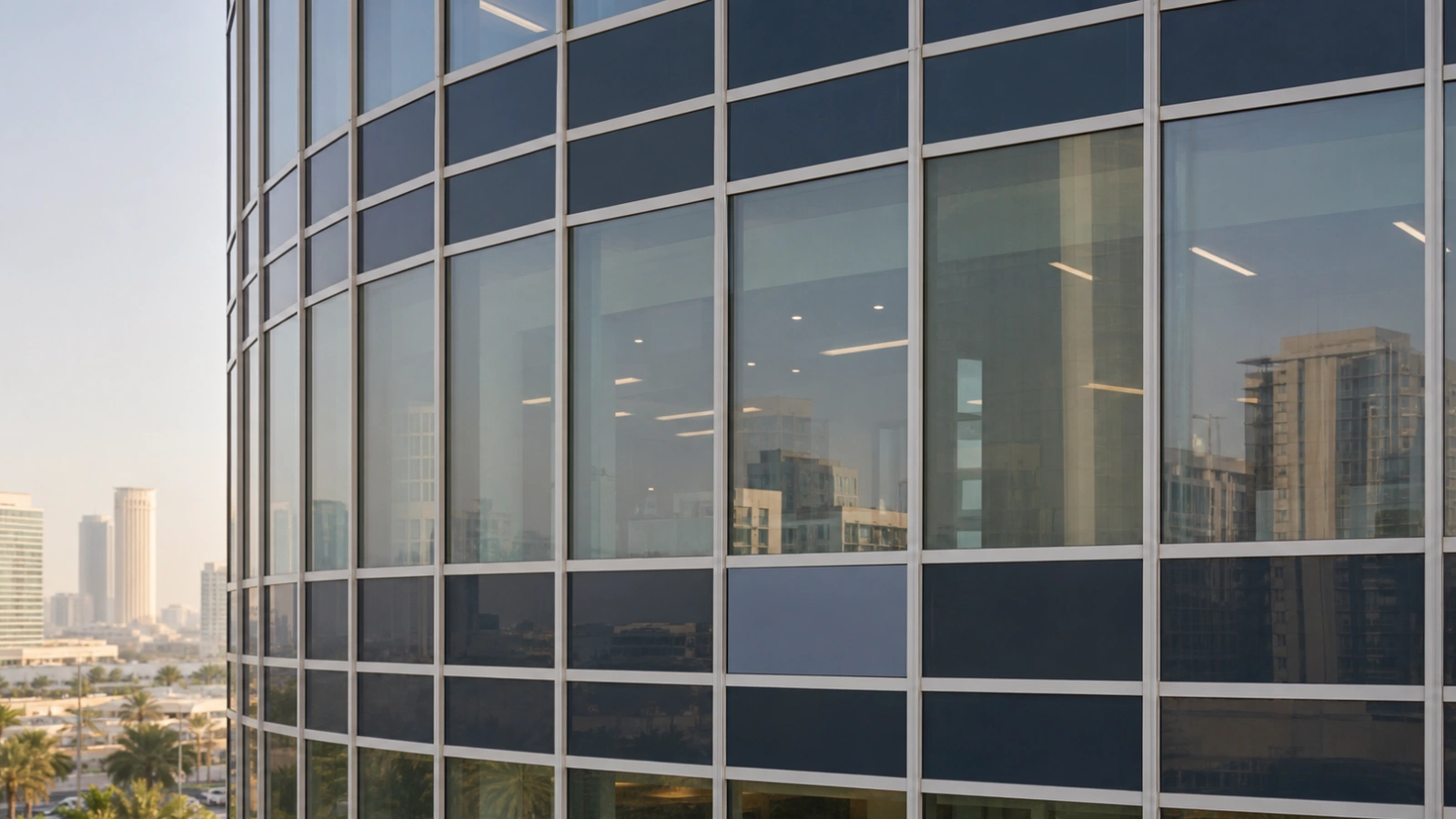
Spandrel glass is the opaque facade glazing that conceals floor slabs, columns, insulation and services between transparent vision-glass zones. Replacing it in Dubai requires more than matching a dark colour from a photograph. The survey should identify the original glass, coating or ceramic frit, opacity, heat treatment, insulation or shadow-box construction, framing, edge cover, drainage and safe access. A full-size sample viewed on the building is often the most reliable way to approve the replacement appearance.
Glass World supports facade glass replacement, curtain wall glazing and specialist access work across Dubai and the UAE. Share elevations, close and distant photographs, pane dimensions, the building level, access information and any original facade schedule before requesting a comparable quotation.
What spandrel glass does in a curtain wall
Vision glass provides the view and daylight; spandrel zones hide the opaque parts of the building behind the facade. The final appearance may come from a ceramic frit, silicone-based opacifier, coated glass, insulated panel, metal backpan, insulation or a ventilated shadow box. These components influence colour, reflectance, thermal behaviour, fire strategy, moisture management and how the panel looks from different angles.
A replacement must preserve the intended building-envelope function as well as the elevation pattern. Treating a spandrel pane as decorative dark glass can lead to visible colour bands, overheating, condensation, coating damage or an incomplete fire and insulation interface. The responsible facade consultant should review the proposed build-up where records are incomplete or the existing system has failed repeatedly.
Why colour matching is difficult in Dubai
Spandrel colour changes with sky brightness, sun angle, reflected buildings, dust and the darkness of the cavity behind it. Existing panels may also have weathered unevenly. A handheld sample that appears correct indoors can read lighter, bluer or more reflective when installed beside aged glazing several floors above ground. Camera exposure and phone screens make photographs useful for location records but unreliable for final approval.
Record the glass manufacturer and product code where available, coating surface, substrate tint, frit or opacifier reference, thickness and cavity construction. Compare candidate samples from several viewing positions in morning and afternoon light. For a prominent elevation, commission a full-size site mock-up in the actual frame or a representative bay, then obtain written approval that defines the accepted viewing distance and conditions.
Identify the existing panel before ordering
Start with facade drawings, glass schedules, operation manuals, previous invoices, labels and retained attic stock. A site survey should measure the sight size and probable glass size, note heat-treatment stamps, coating appearance, edge construction, spacer and seal colours, frit coverage, backpan, insulation, fixings and frame profile. Inspect surrounding panes for the same defects so the project is not scoped around one visible break while similar panels remain at risk.
Where documentation is missing, a safely removed fragment or intact sample may support laboratory or supplier review. Do not rely on colour alone: two panes can look similar yet have different thermal stress resistance, safety behaviour or compatibility with sealants and coatings. Final dimensions should come from a verified opening and system tolerances after the removal and installation method has been planned.
Heat treatment and thermal stress matter
Spandrel zones can become much hotter than adjacent vision glass because the opaque surface absorbs solar energy and the concealed cavity limits heat release. Partial shading from fins, slabs, signage or neighbouring buildings can create additional temperature differences across a pane. The glass make-up and heat treatment therefore need a project-specific thermal and safety review rather than a direct substitution based only on thickness.
Heat-strengthened or fully toughened glass may be specified depending on the system, dimensions, edge condition, loading and breakage strategy. If the design uses heat-treated glass, clarify whether heat-soak testing is required and retain certification. Laminated or insulated constructions bring further compatibility, edge-seal and post-breakage considerations. The broader toughened versus laminated glass guide explains why the terms are not interchangeable.
Inspect the cavity, backpan and perimeter
Once safe access is available, check whether the apparent glass defect began behind the panel. Look for wet insulation, corroded backpans or fasteners, displaced fire stopping, failed internal seals, blocked drainage, coating deterioration, condensation marks and incompatible materials. Replacing the outer lite without correcting a wet or overheating cavity can reproduce the original damage and conceal a continuing building-envelope problem.
The curtain-wall frame should be checked for distortion, loose caps, damaged pressure plates, gasket shrinkage, failed structural or weather seals, open joints and adequate edge clearance. Glass must not bear hard against aluminium or trapped debris. Keep designed drainage and pressure-equalisation paths open. If water ingress is part of the complaint, coordinate the work with the curtain wall resealing assessment rather than treating the pane in isolation.
Plan access and occupied-building controls
Replacement access may use a building-maintenance unit, mobile crane, scaffold, mast climber or a designed rope-access method depending on facade geometry, panel weight, public areas and building rules. The method statement should cover panel removal, rated lifting equipment, edge protection, exclusion zones, temporary weather closure, glass transport, wind limits, dropped-object controls and emergency arrangements. External and internal work zones may both be required.
Coordinate permits, landlord and consultant approvals, road or pavement occupation, loading-bay bookings, lift dimensions, tenant notifications, noisy-work hours, desk protection, security and air-conditioning impacts. Dubai wind and heat can restrict lifting and sealant application windows. A realistic programme includes survey, technical approval, sampling, glass manufacture, access setup, installation, curing, inspection and making good—not only the time spent changing the pane.
Quality checks after installation
Before installation, verify dimensions, edgework, heat-treatment markings, coating orientation, opacity, frit coverage, visual sample approval and panel identification against the schedule. During glazing, confirm correct setting blocks, edge clearances, gaskets, beads, pressure components and compatible sealants. Protect coatings and ceramic surfaces from scratches, suction marks, grinding dust and unapproved cleaners.
Inspect the replacement from inside and from agreed external viewpoints after cleaning. Check alignment, colour, reflectance, visible pinholes, edge cover, seals, caps and drainage. Where the repair affects weatherproofing, use the consultant-approved inspection or controlled water-testing method after curing. Handover records should link the installed pane to its glass specification, batch, certificates, photographs, warranty and exact facade location.
Cost factors and quotation checklist
Spandrel glass replacement cost in Dubai depends on pane dimensions and weight, custom colour development, coating or frit, heat treatment, laminated or insulated construction, sampling, quantity, access equipment, road or public protection, removal difficulty, internal finishes, cavity repairs, sealants, testing and working-hour restrictions. A single pane can carry substantial fixed access and mobilisation costs, while a planned batch may reduce repeated setup.
Compare quotations against one written scope. Each offer should state the exact glass build-up, colour-approval process, sample size, heat treatment, heat-soak requirement if applicable, coating or frit surface, opacity, dimensions, tolerances, access method, temporary closure, cavity and frame work, seals, disposal, cleaning, testing, programme, warranty and exclusions. A price based on ‘same colour glass’ is not a sufficiently controlled facade-repair specification.
Request a spandrel glass replacement survey
Send the Dubai building name and location, elevation and floor, marked-up photographs from near and far, approximate pane dimensions, defect history, original facade drawings or glass schedules, available spare panes, internal access details, building-maintenance-unit information and site working rules. Note whether the concern is breakage, cracking, colour change, coating failure, water ingress, condensation or damage behind the glass.
Glass World can survey the glazing and coordinate fabrication, access and installation with relevant building stakeholders. For wider envelope planning, review the Dubai facade glass maintenance guide and facade replacement cost guide. Final technical acceptance should follow the building’s consultant, facade design and applicable approval requirements.
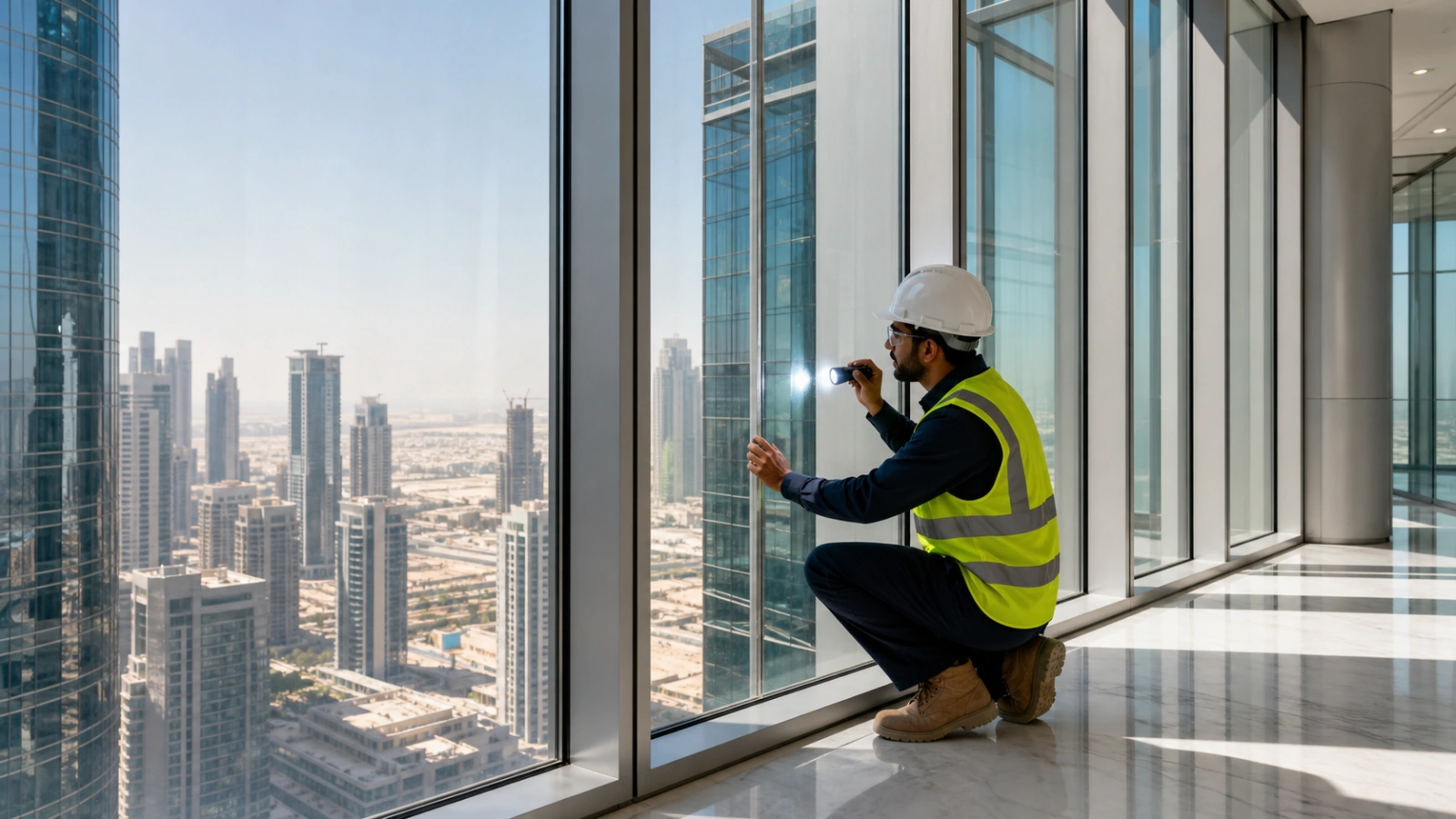
Heat-Soak-Tested Glass in Dubai: Facade and Safety Glazing Guide
Understand heat-soak-tested glass in Dubai, including when it is specified, what the process reduces, certification, facade replacement, cost, and quotation checks.
Read article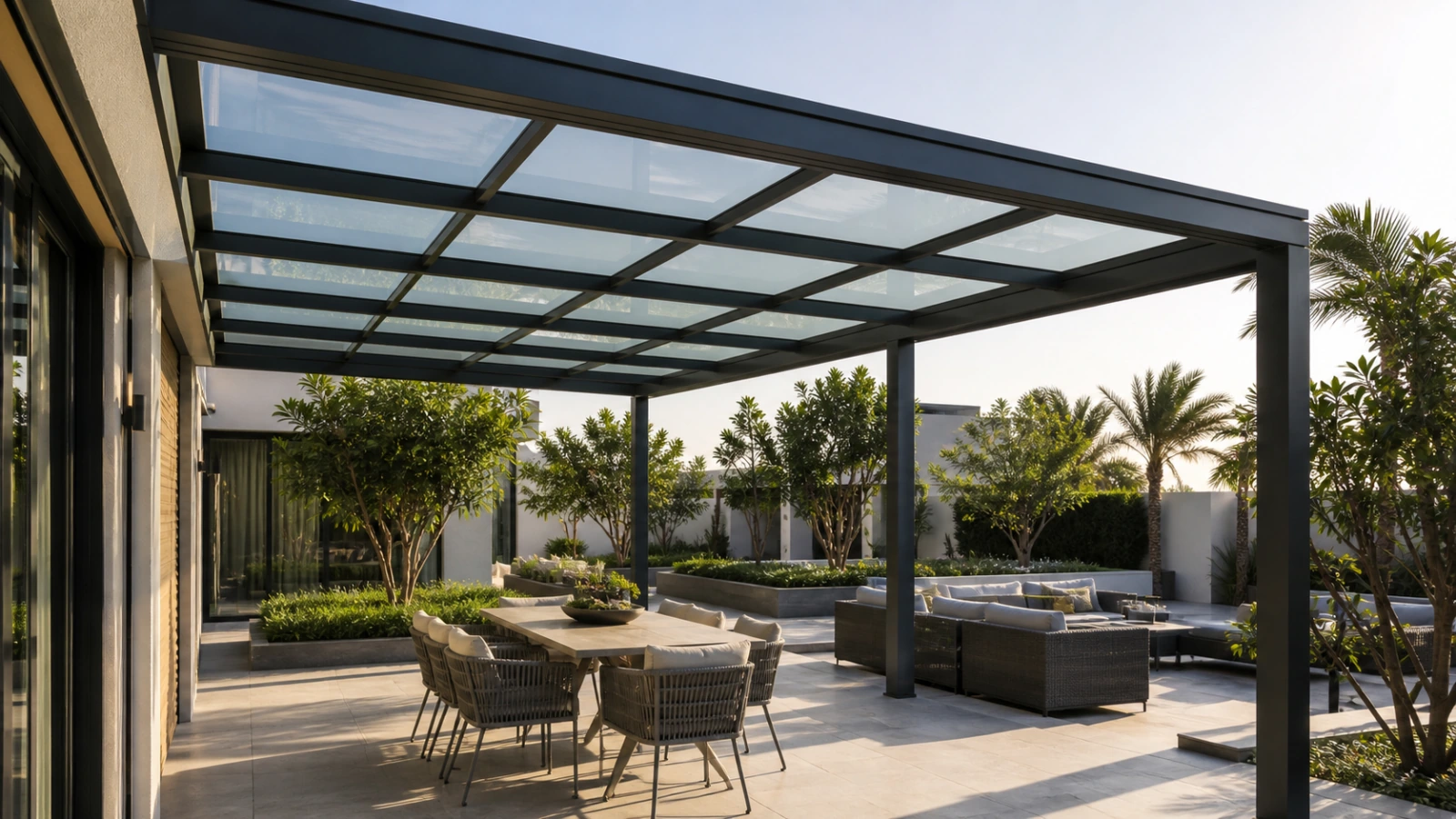
Glass Pergola Roof Leak Repair in Dubai: Diagnosis and Resealing Guide
Diagnose a leaking glass pergola roof in Dubai with practical guidance on joints, gutters, flashings, glass damage, safe access, resealing, and replacement scope.
Read article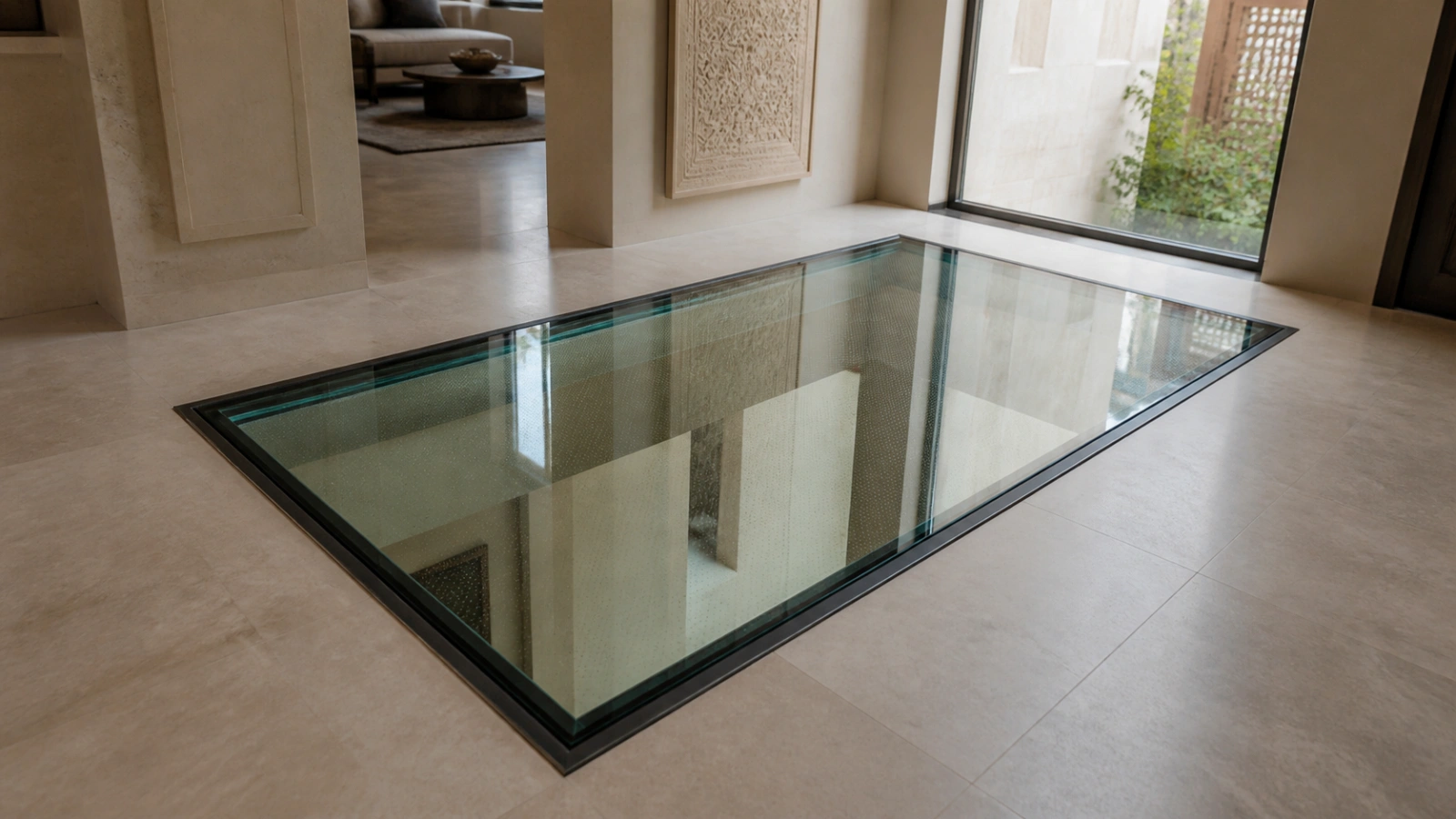
Walk-On Glass Floors in Dubai: Installation and Cost Planning Guide
Plan a walk-on glass floor in Dubai with guidance on structural design, laminated glass, slip resistance, support frames, access, installation, maintenance, and quote scope.
Read article